


Our Services
Emergency Care
Emergency care is required to respond to a wide range of conditions in children and adults – including injuries, infections, heart attacks and strokes, asthma and complications of pregnancy. Emergency care providers save lives. Yet in resource-limited settings, care is often compromised by a lack of training.
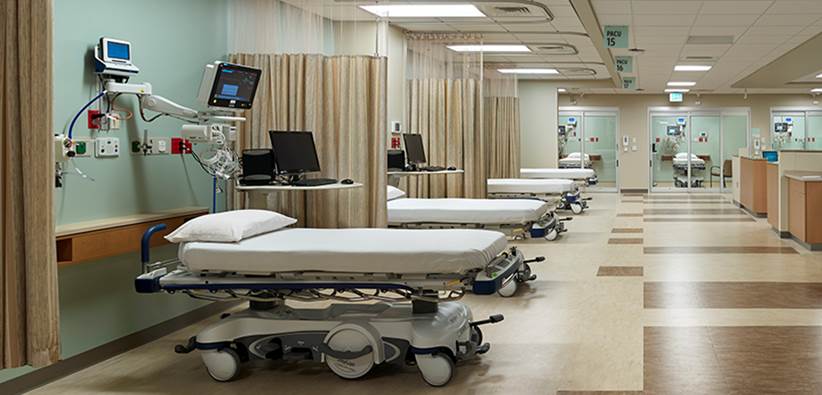
Five Steps of Emergency Care
Step 1 – Triage
Triage is the process of determining the severity of a patient’s condition. Patients with the most severe emergencies receive immediate treatment. That is why some patients may receive medical care before you, even if they arrived at the ED after you.
Step 2 – Registration
Triage is the process of determining the severity of a patient’s condition. Patients with the most severe emergencies receive immediate treatment. That is why some patients may receive medical care before you, even if they arrived at the ED after you.
Step 3 – Treatment
Every patient who comes to the Emergency Department at Harish Hospital receives treatment from an attending physician or mid-level practitioner. Depending on your condition, a registered nurse may start an intravenous (IV) line.
Step 4 – Re-evaluation
An ED physician or mid-level practitioner will reevaluate your condition after they receive your test results because the results may give them additional insight into the type of treatment you need.
Step 5 – Discharge
Part of our job is to keep you healthy long after you’ve left the ED. All patients receive written home-care instructions to follow when discharged.
Blood Test & Lab
The test to determine your blood group is called ABO typing. Your blood sample is mixed with antibodies against type A and B blood. Then, the sample is checked to see whether or not the blood cells stick together. If blood cells stick together, it means the blood reacted with one of the antibodies.
• Blood culture. This involves taking a small sample of blood from a vein in your arm and from 1 or more other parts of your body. …
• Blood gases test. …
• Blood glucose (blood sugar) tests. …
• Blood typing. …
• Coagulation tests. …
• C-reactive protein (CRP) test. …
• Electrolyte test. …
• Erythrocyte sedimentation rate (ESR)


Call Centre 24×7
Outdoor Checkup
Along with consultation space, the facilities in the van include a well-equipped lab with diagnostic facilities, medicine dispensation, areas to provide diagnostic care of blood, glucose, pregnancy testing, cancer detection and so on.
The Hospital conducts regular health camps in various parts of the City. The hospital also undertakes mass immunisation campaigns and patient education programmes.

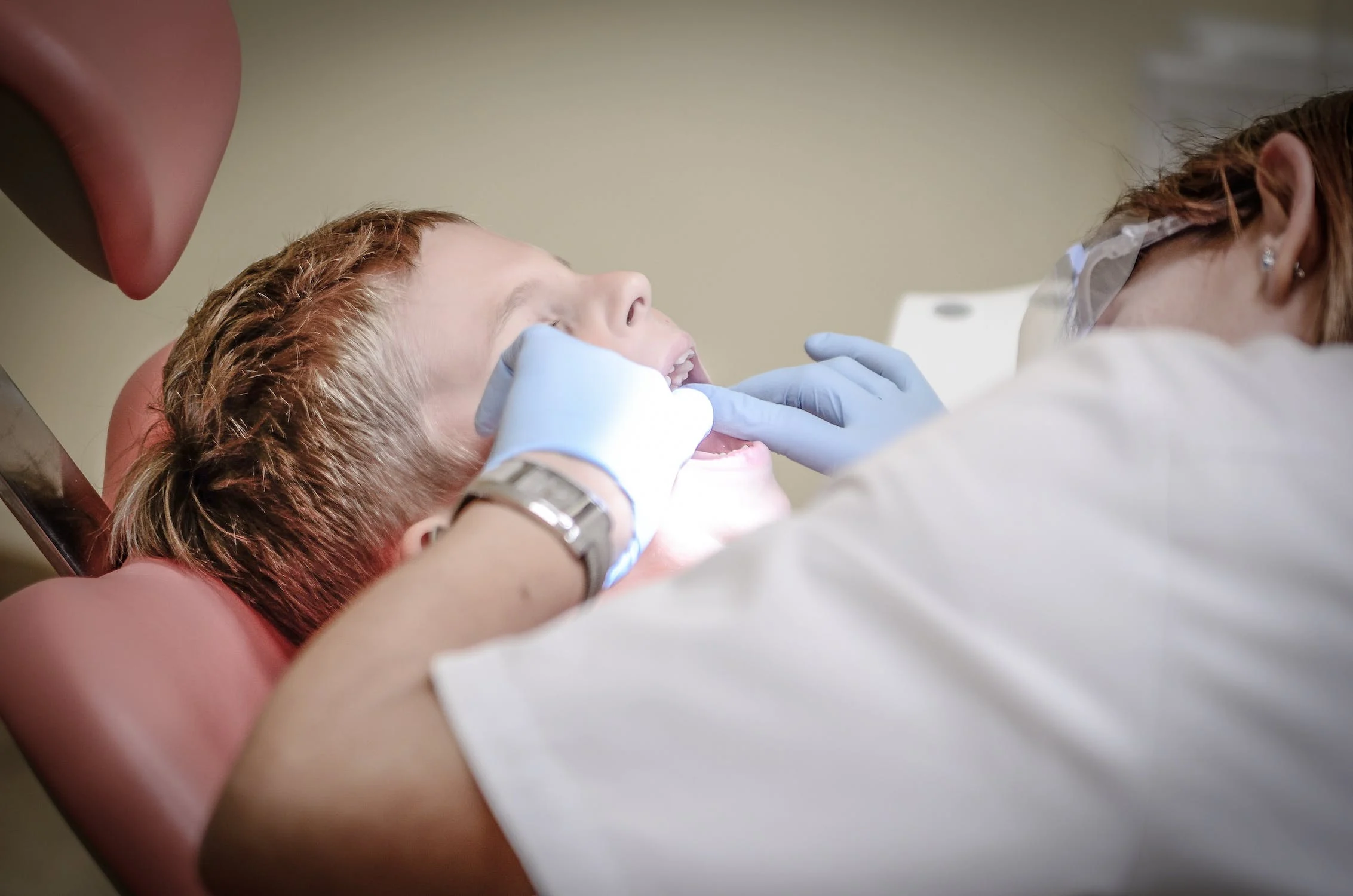
Dental Care
Oral hygiene, the practice of keeping the mouth and teeth clean in order to prevent dental disorders
Dentistry, the professional care of teeth, including professional oral hygiene and dental surgery
Oral Surgery, any of a number of medical procedures that involve artificially modifying dentition; in other words, surgery of the teeth and jaw bones
Heart Disease
What is heart disease? The term “heart disease” refers to several types of heart conditions. The most common type of heart disease in the United States is coronary artery disease (CAD), which affects the blood flow to the heart. Decreased blood flow can cause a heart attack.
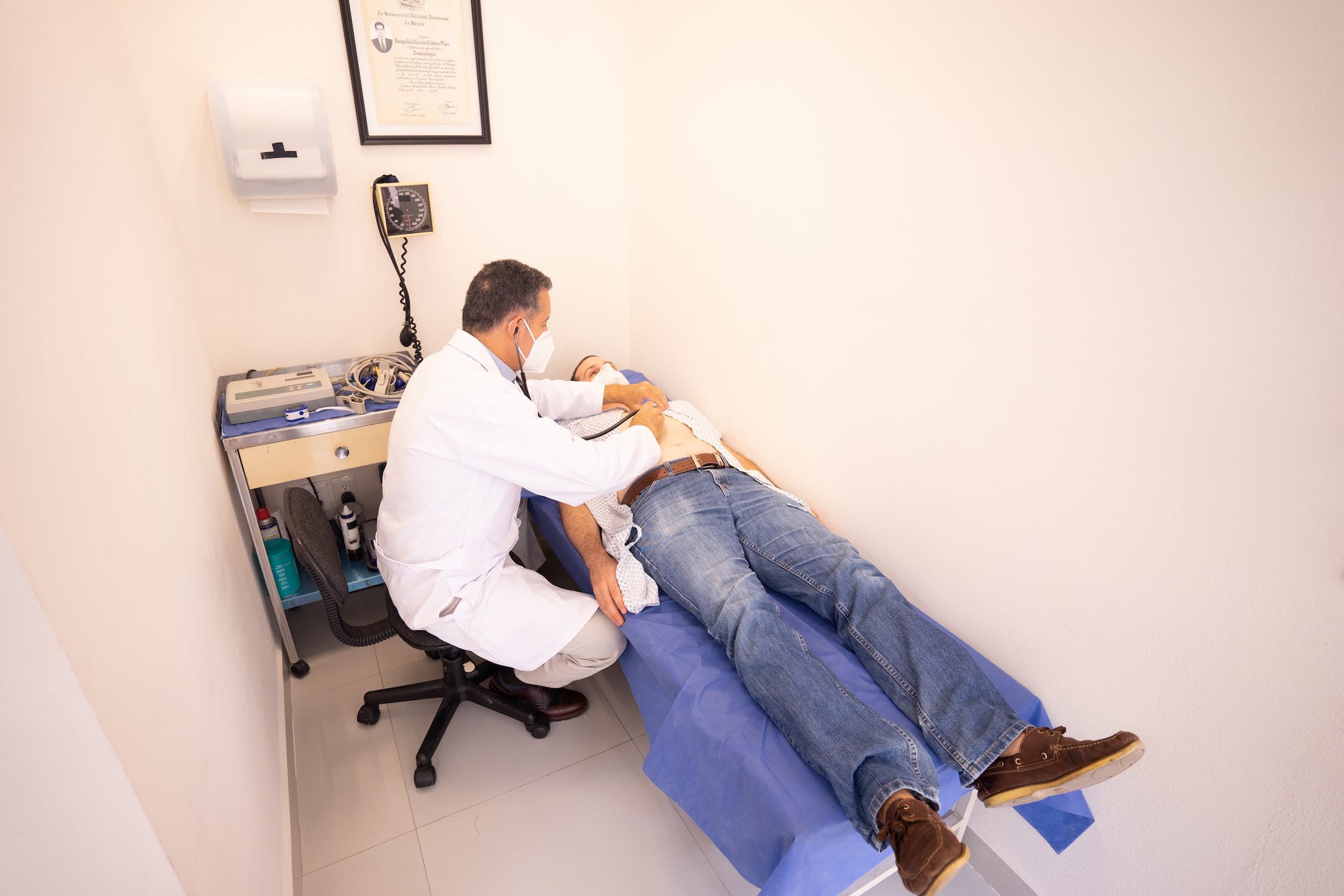
There are four main types of CVD:
• coronary heart disease.
• stroke.
• peripheral arterial disease.
• aortic disease.
Common heart conditions
• Heart attack. …
• Heart failure. …
• Arrhythmia (abnormal heart rhythms) …
• Valve disease. …
• High blood pressure. …
• Congenital heart conditions. …
• Inherited heart conditions.
What causes cardiovascular disease?
• High cholesterol (hyperlipidaemia).
• Tobacco use (including vaping).
• Type 2 diabetes.
• Family history of heart disease.
• Lack of physical activity.
• Having excess weight or obesity.
• Diet high in sodium, sugar and fat.
Warning signs and symptoms of heart disease
• Shortness of Breath. …
• Coughing or wheezing. …
• Swelling in the Legs, Ankles, or Feet. …
• Poor Blood Supply to Extremities. …
• Fatigue. …
• Fast or Uneven Heartbeat (Palpitations) …
• When to Call the Doctor.
Ophthalmology
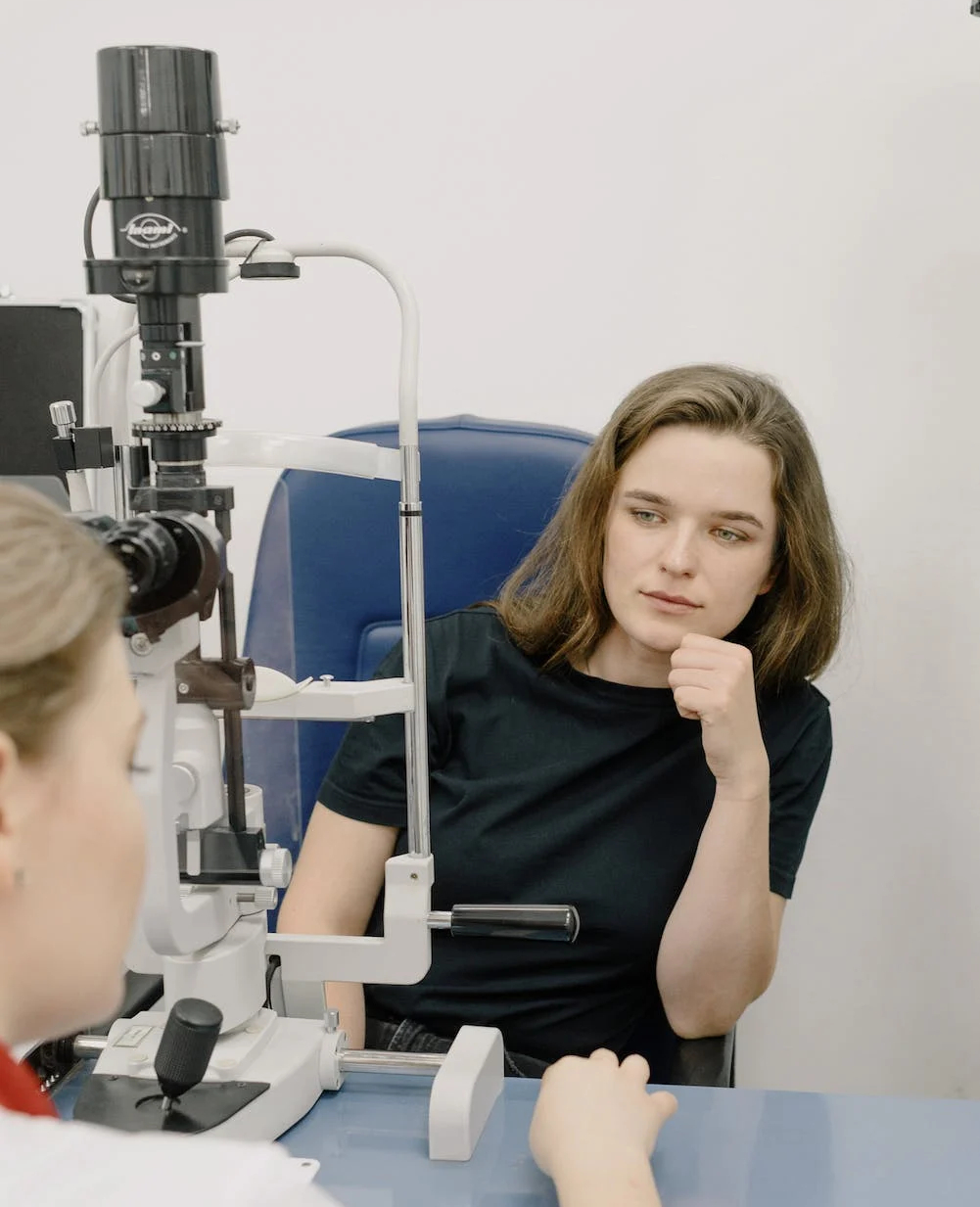
Comprehensive Eye Examinations: Ophthalmologists perform thorough eye examinations to assess visual acuity, refractive errors (such as nearsightedness or farsightedness), and the overall health of the eyes. They may use various diagnostic tools and techniques, including vision tests, tonometry (measuring intraocular pressure), and ophthalmoscopy (examining the internal structures of the eye).
Cataract Surgery: Cataracts refer to the clouding of the natural lens of the eye, leading to blurred vision and visual impairment. Ophthalmologists perform cataract surgery to remove the cloudy lens and replace it with an artificial intraocular lens (IOL) to restore clear vision. The surgery is typically done on an outpatient basis and has a high success rate.
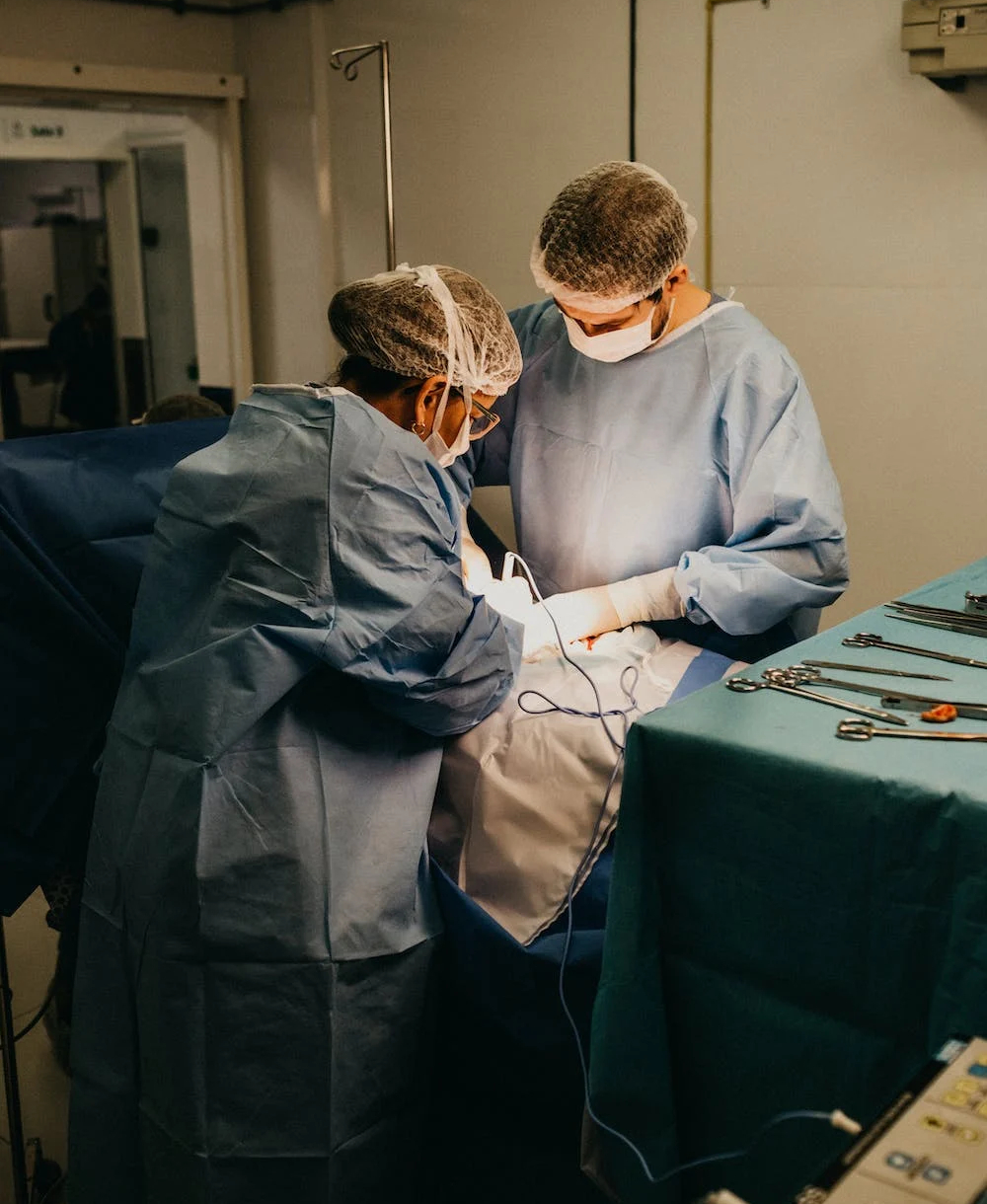
Cardiac Surgery
Cardiac surgery, also known as cardiovascular surgery or heart surgery, refers to a surgical procedure performed on the heart or blood vessels to treat various heart conditions. It is typically carried out by a specialized cardiac surgeon in a hospital setting. Cardiac surgery aims to correct structural abnormalities, restore normal blood flow, or repair damaged heart tissue.
Coronary Artery Bypass Grafting (CABG): This procedure is performed to bypass blocked or narrowed coronary arteries, which supply blood to the heart muscle. The surgeon takes a healthy blood vessel from another part of the body, such as the leg or chest, and grafts it onto the coronary artery, bypassing the blockage and improving blood flow to the heart.
Valve Replacement or Repair: Heart valves, such as the aortic valve, mitral valve, tricuspid valve, and pulmonary valve, can become damaged or diseased, leading to improper blood flow. In valve replacement surgery, the surgeon removes the faulty valve and replaces it with a mechanical valve or a biological tissue valve from a human or animal donor. Valve repair aims to restore the function of the existing valve without replacement whenever possible.

APPOINTMENT
Make An Appointment For Emergency